Sex addiction, pornography addiction, infidelity, and betrayal trauma
Elena Riedo, Psy.D.Licensed psychologist, CSAT, EMDR therapistFull Circle Recovery
People rarely arrive with one clean story. They arrive with a crisis that has several names at once: a history on a phone, an affair that was not “just once,” a partner who cannot sleep, a marriage that suddenly has two versions of the past. Someone has to make the call. Sometimes it is the person who has been hiding. Sometimes it is the person who found out.
What looks like separate problems from the outside is often one clinical picture with different faces. Compulsive pornography use, paid sex, apps, affairs, and a double life can be different expressions of the same system: desire split off from relationship, comfort taken in secret, and shame used as a reason to go back under. Infidelity may be a single rupture. It may also be the moment a longer pattern finally becomes visible. Betrayal trauma is what happens to the person who lived in the version of the relationship that was not true.
A Certified Sex Addiction Therapist (CSAT) credential through IITAP is not a weekend badge. It is supervised, multi-module training in the Carnes task-centered model: assessment of compulsive sexual behavior, the cycle that drives it, the family-of-origin and trauma material underneath it, the impact on the betrayed partner, and the structured recovery work that follows. EMDR is used when an older injury is still steering the present.
That methodology is what makes this specialty different from general psychotherapy applied to an affair, or from sex therapy that treats desire without treating compulsion. CSAT work is built for the whole picture at once: the acting-out behavior, the secrecy, the double life, the pornography or affair as one expression of a larger pattern, and the traumatic injury to the partner. It includes a precise behavioral account, interruption of the cycle, formal disclosure when indicated, and a sequence that does not begin joint sessions before there is one reality to stand on. General therapy can address pieces of this. This model was built for the whole of it.
A person does not have to already know what to call this. The naming of what this is comes after the evaluation.
How these things belong together
Sexual addiction, when the clinical picture supports that language, is not a high sex drive and not a moral failure with a medical nickname. It is a relationship to intensity that starts to run the life: preoccupation, a private ritual, the behavior, then the crash—and the vow that dissolves by the next cue. The screen, the hotel, the app, and the affair can all serve that same sequence.
That is why treating “the affair” alone so often fails. One outlet can close and another open. It is also why treating “the porn” as a habit of willpower so often fails. The behavior is doing something. It may be regulating a nervous system that does not know another way down. It may be standing in for closeness that feels dangerous. It may be covering depression, social anxiety, ADHD, or older trauma. Until that function is seen, abstinence is only a pause.
And it is why the partner cannot be handled as an afterthought. Discovery is not a communication problem. For the injured partner, the person who was supposed to be safe became the source of threat. Hypervigilance, the need for facts, the collapse of a shared reality—that is not overreaction. It is betrayal trauma. Two people in the same house may need two different first meetings: one for the person whose behavior has to come into the open, one for the person whose world just dropped.
The work holds both without collapsing them into each other. The person who acted out is not treated as a monster, and the partner is not treated as the co-author of a secret they did not have.
What treatment actually holds
Assessment first. Not to stall, and not to soften what happened. To sort what is present: a discrete infidelity, a compulsive pattern, an intimacy problem that found a secret outlet, trauma driving the behavior, or more than one of these at once. Pornography addiction, infidelity, and discovery are each framed separately because the first meeting is not identical. The underlying work is.
CSAT methods give the structure: a precise account of the behavior, interruption of the pattern, honesty that can be checked rather than promised, and a plan that does not depend on the next surge of remorse. Remorse is not recovery. Relief after being caught is not recovery. Recovery is a change in the relationship to the secret.
EMDR is used when the past is still running the present. Some people used the behavior to stay away from a memory, a humiliation, a loneliness that never had words. EMDR can take the charge out of that material so the compulsion is not the only anesthetic left. When the problem is the trigger itself—the closed door, the fight, the hour of the night, the phone lighting up—DeTUR, an EMDR protocol for urges, can be used to loosen the pairing between cue and episode. That sits beside the CSAT work. It does not replace it.
Couples work, if it comes, comes later. A relationship cannot be rebuilt on two realities. Formal disclosure, when it is indicated, is a structured telling of the truth, not another trickle of details extracted under panic. Stay-or-leave is a later question. So is whether the couple still has something to stand on. The first task is safety, one shared set of facts, and enough stability to think.
The person whose behavior brought them here can arrive without a speech. The partner can arrive without a decision already made. A partner or family member may place the call.
Reading
These are starting points for the larger picture. They are not assignments. They do not replace being seen. For compulsive use of a screen, see the list on Pornography addiction. For the weeks after discovery, see After discovery.
Shadows of the Cross — Craig S. Cashwell, Ph.D., Pennie K. Johnson, LPC, Patrick J. Carnes, Ph.D. A Christian companion to Facing the Shadow, for people whose faith is part of the work.
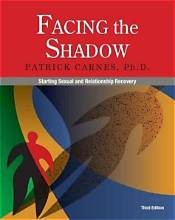
Facing the Shadow — Patrick Carnes, Ph.D. A workbook used in early CSAT treatment, with the session, not in place of it.
Contrary to Love — Patrick Carnes, Ph.D. The sequel to Out of the Shadows: how the illness progresses, and how assessment and treatment are actually done.
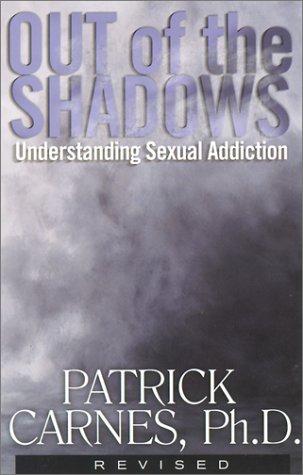
Out of the Shadows — Patrick Carnes, Ph.D. The book that mapped sexual addiction as a clinical pattern rather than a private shame.
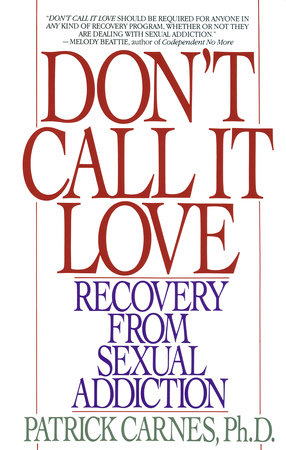
Don’t Call It Love — Patrick Carnes, Ph.D. On recovery as a change in how a person relates to intensity, secrecy, and other people—not as a cleaner version of the same life.
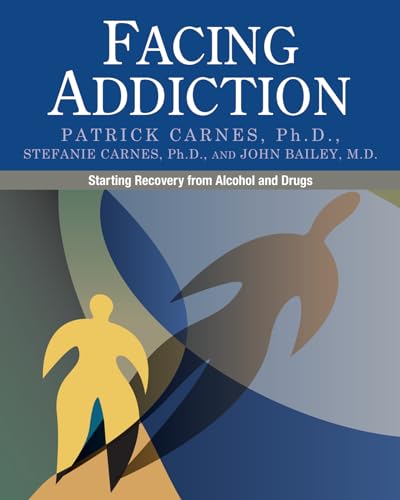
Facing Addiction — Patrick Carnes, Ph.D., Stefanie Carnes, John Baird. A workbook for beginning recovery when more than one compulsion is present.
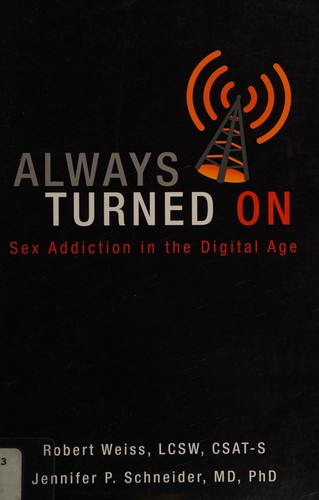
Always Turned On — Robert Weiss, Jennifer P. Schneider. When access never has to end, and the digital world becomes the affair.
A Light in the Dark — Kenneth M. Adams, Ph.D., Mary E. Meyer, Ph.D., Culle L. Vande Garde, LCSW. On growing up with a sexually addicted parent: the secrets, the divided loyalties, and the shame that was never theirs to carry.
Full Disclosure — Dan Drake, Janice Caudill, Ph.D. A workbook for the person who has to tell the truth after sexual betrayal: what to share, how to prepare, and how not to do more harm with the details.
For the injured partner after discovery—not the person whose behavior came into the open—start with After discovery, where the work is framed for the betrayed partner. Fees and insurance are listed on contact.html.