Elena Riedo, Psy.D.Licensed psychologist, CSAT, EMDR therapistFull Circle Recovery
An affair is not a diagnosis. It is a break in the agreement two people thought they were living inside. A message. A name. A hotel. A friendship that was never only a friendship. Or one person has been keeping a second story, and that story has now been found.
This is for that rupture as a relational event—not as a synonym for addiction, and not as the same work as the first days after discovery. When the floor has just gone out, start on After discovery. When what is present is a repeating cycle of secrecy and acting out, start on Sexual addiction. What follows is for something that happened between two people that has to be named as infidelity first.
A speech, a timeline, or a decision about whether to stay is not required. A person can arrive as the one who found out, or as the one who was hiding.
An affair and a compulsive pattern can look identical on the worst night, and they are not treated as if they were the same. The naming of what this is comes after the evaluation.
What an affair actually breaks
Infidelity is not only sex outside the relationship. It is the transfer of intimacy, secrecy, and allegiance to someone—or something—the other person was not told about. Shirley Glass called some of these “walls and windows”: a wall goes up toward the partner, a window opens toward the third person. That is why an emotional affair can injure as deeply as a sexual one. The body may never have left the house. The loyalty did.
What follows is often a split in time. There is the life before the knowing and the life after it. The injured partner is not only angry. They are grieving a relationship that, it turns out, they were inhabiting more fully than the other person was. The person who had the affair is often trying to manage two truths at once: the wish to be forgiven, and the wish not to be seen all the way through. Those two wishes do not make a repair.
An affair can be a discrete rupture: one relationship, a beginning and an end, a person who can tell the story without leaving whole chapters out. It can also be the first visible piece of a longer pattern. Assessment is how those are sorted. Treating a one-time betrayal as if it were addiction misses the grief. Treating a double life as if it were “just an affair” misses the cycle. Either mistake costs months.
What the work has to hold
For the injured partner, the affair is not a communication problem and not a deficit in how interesting they were. It is an attachment injury: the person who was supposed to be safe became the source of threat. The need for facts, the checking, the collapse of a shared past—that belongs on After discovery, and it is taken seriously here. Infidelity as a bond between two people brings its own questions: whether contact with the third person has actually stopped, whether the story is still being edited, and whether the unfaithful partner can tolerate being known without turning remorse into a request for comfort.
For the person who had the affair, the work is not a performance of shame. Shame without honesty is only another hiding place. The clinical questions are plainer than that. Has the other relationship ended in fact, not in language. Can the truth be told without being portioned out as a reward. Can desire, loneliness, anger, or collapse be spoken in the primary relationship instead of being exported. EMDR is used when an older injury is still steering the present. Couples work, if it comes, comes after there is one shared story. A bond cannot be rebuilt on a version of events that still has parts withheld.
A partner or family member may place the call. Lorraine, the patient advocate, answers and helps with scheduling.
Reading
These sit with the affair as a relationship event. They are not assignments. They are not a substitute for being met. After discovery, use the list on After discovery. If the picture is compulsive, use Sexual addiction and Pornography addiction.
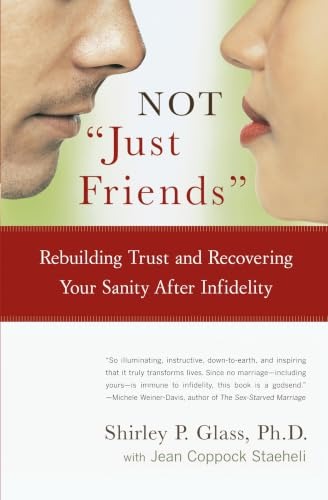
Not “Just Friends” — Shirley P. Glass, Ph.D. Walls and windows. How a “friendship” becomes an affair. Still the clinical standard.
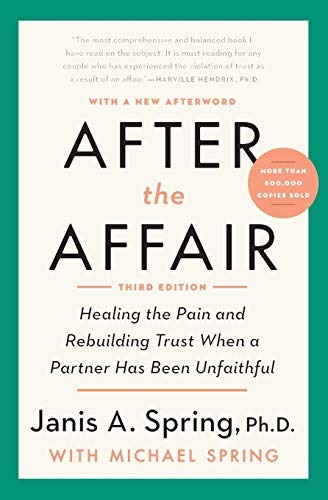
After the Affair — Janis Abrahms Spring, Ph.D. Third edition. Injured partner’s grief; unfaithful partner’s work of becoming trustworthy again.
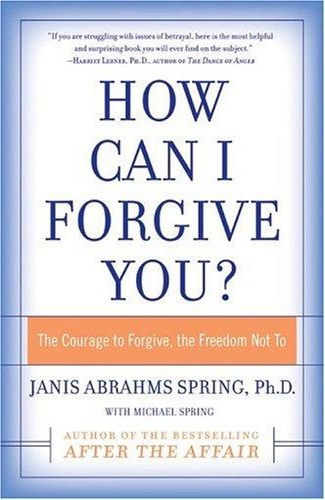
How Can I Forgive You? — Janis Abrahms Spring, Ph.D. Forgiveness that is not a demand or a blank check.
The Betrayal Bind — Michelle Mays, LPC, CSAT-S. Attachment and betrayal trauma for the injured partner—not as co-addict. APSATS language.
Deceived — Claudia Black, Ph.D. Facing the trauma of sexual betrayal. Partners of sexual acting-out.
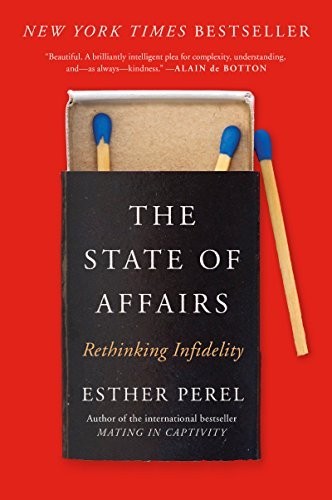
The State of Affairs — Esther Perel. Rethinking infidelity and what the affair revealed.
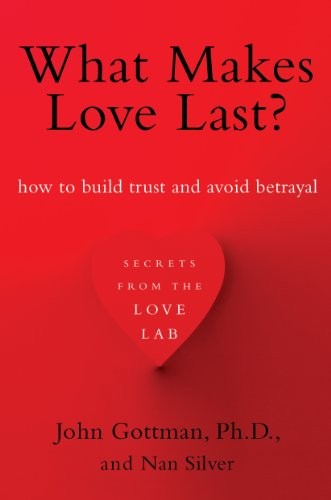
What Makes Love Last? — John Gottman, Ph.D., and Nan Silver. Trust, betrayal, and attunement.