Certified Sex Addiction Therapist (CSAT)
Pornography addiction

What began as something unremarkable can become something else. Time vanishes. A private world lives on a device. The person is physically present and mentally gone. Shame keeps it unspoken. Sometimes a partner has just seen the search history. Sometimes the person who cannot stop is the one calling, and cannot say that out loud.
Watching pornography, on its own, is not a clinical finding. Sex is not the problem, and neither is technology. The problem we evaluate is loss of choice: concealment, rising frequency or intensity, a repeated sequence that leads to the same crash, and a daily life that starts to orbit the next episode. That pattern—anticipation, the buildup, the behavior, then the drop—is what we examine.
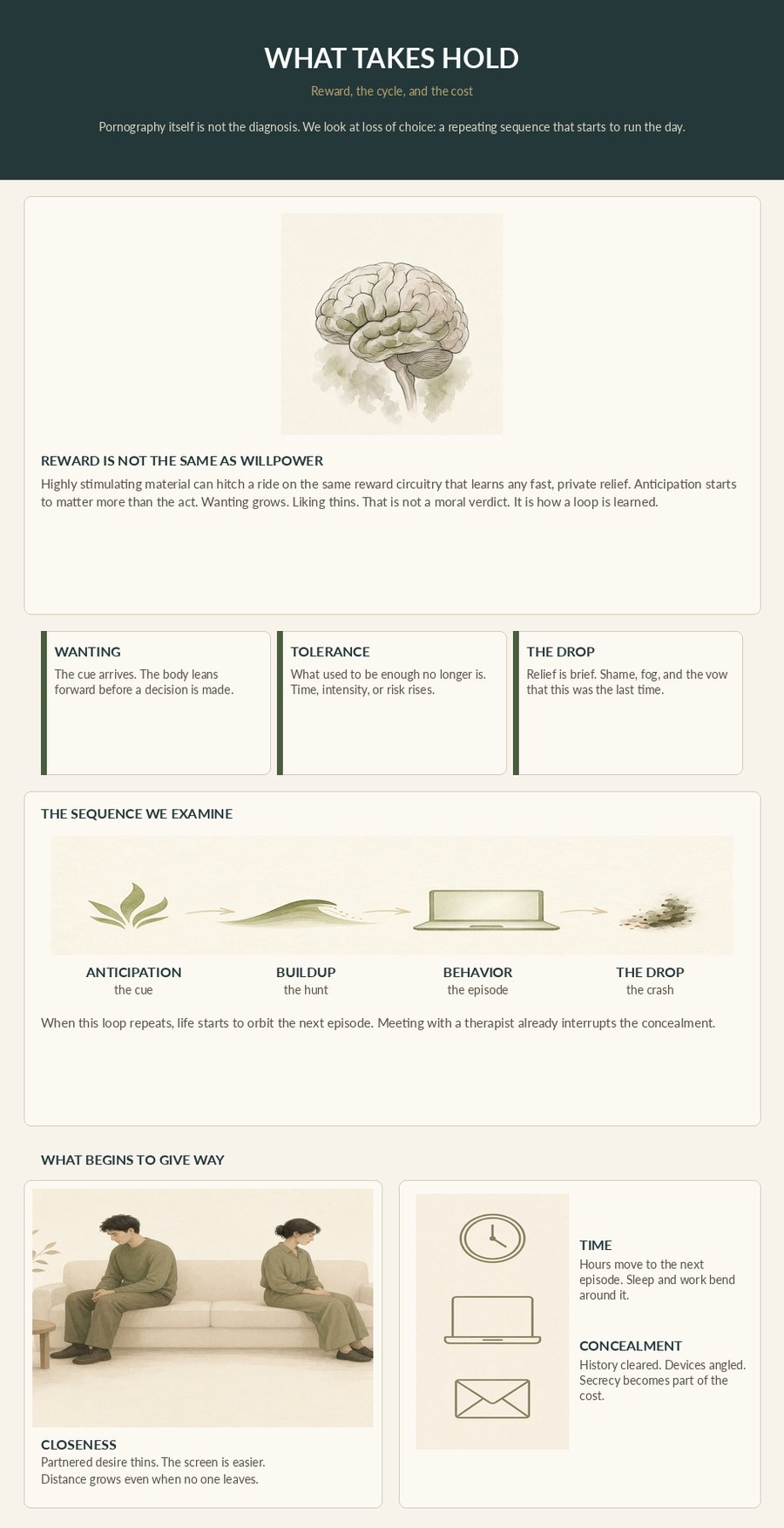
The naming of what this is comes after the evaluation, not before it. Addiction is used only when the clinical picture supports it. For one person that picture is compulsive sexual behavior. For another it is difficulty with closeness that found a fast, private outlet. For another it is depression, social anxiety, trauma, or ADHD using a screen as regulation. Those are not the same case, and they are not treated as if they were.
Treatment may draw on CSAT methods—a precise account of the behavior, interruption of the pattern, and the restoration of honesty—and on EMDR when the nervous system is still carrying what the use was managing. The goal is a clear formulation and a plan.
EMDR and DeTUR
When the evaluation supports it, Dr. Riedo may use EMDR, including DeTUR (Desensitization of Triggers and Urge Reprocessing), an EMDR protocol built for addictive and compulsive behavior.
Standard EMDR is often used for what sits underneath the use: earlier trauma, humiliation, attachment injury, or a memory that still fires as if it were happening now. DeTUR is used for what happens in front of the use: the cue, the surge, the moment the hand reaches for the phone.
The DeTUR work is specific. Triggers that start the sequence are identified together—a time of day, a fight, a closed door, a particular site, a feeling that arrives before any thought. Each trigger is paired with the urge it produces. Bilateral stimulation is then used to lower that pairing, so the cue does not automatically become the episode. A positive treatment goal is installed as well: not a slogan, but a clear picture of who the person is when the compulsion is not in charge.
DeTUR does not replace CSAT work. The behavior still has to be named, contained, and kept in the light. What DeTUR can do is take some of the charge out of the trigger itself, so that interruption is possible in the body and not only as a rule. When older trauma is still feeding the urge, standard eight-phase EMDR may be used alongside it.
This is one set of tools, used when it fits. It is not a separate program.
When the screen has been kept hidden, a prepared statement is not required, nor a crisis already named, nor certainty about what to call this. Meeting with a therapist already interrupts the concealment. A person can arrive as they are.
When a partner has found it, seeing a hidden history is often a jolt. The monitoring, the sleeplessness, the feeling that the ground shifted, are treated as clinically real. That is often betrayal trauma. After discovery is written for the injured partner. The call may still begin here.
A partner or family member may place the call.
What the work looks like
The first meetings are not an argument about whether pornography should exist. They are a clinical look at what the use is costing, and what it is doing:
- Concealment. What is hidden, from whom, and what that secrecy has required.
- Increase. More time, more extreme material, more risk, less relief.
- Cost. Work, sleep, partnered sexuality, money, or self-respect beginning to give way.
- Function. Numbing, self-soothing, postponing closeness, or substituting for a life that feels out of reach.
- Aftermath. Shame, withdrawal, and the vow that this episode will be the last.
From there the plan is specific: stop the immediate damage, tell the truth in a setting that can bear it, and treat what sits under the compulsion. Joint sessions, if they happen, happen later. The behavior has to be visible first.
Reading
These books address sexual addiction and compulsive pornography use. They are not assignments. They do not replace being seen. For the partner, use the list on After discovery.
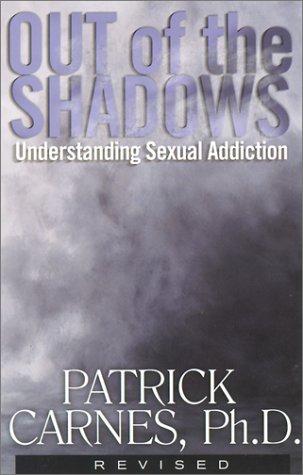
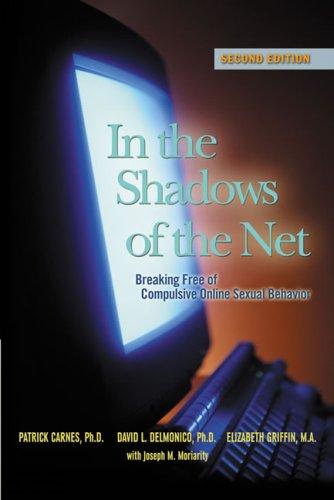
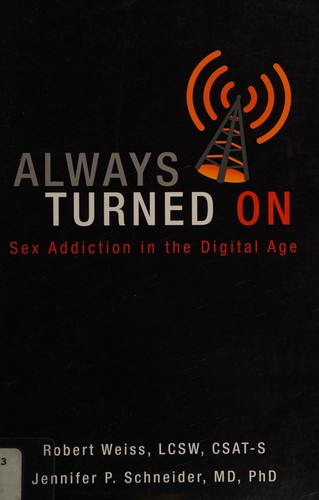
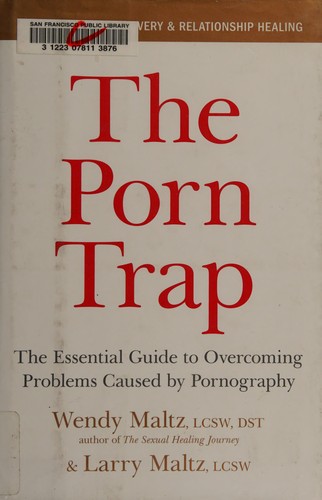

- Out of the Shadows — Patrick Carnes, Ph.D. A foundational clinical description of sexual addiction, including compulsive pornography use.
- Facing the Shadow — Patrick Carnes, Ph.D. A workbook used in early CSAT treatment, with the session, not in place of it.
- In the Shadows of the Net — Patrick Carnes, David Delmonico, Elizabeth Griffin. On compulsive internet sexuality.
- Always Turned On — Robert Weiss, Jennifer P. Schneider. Sexual addiction when the phone never has to go dark.
- The Porn Trap — Wendy Maltz, Larry Maltz. A practical guide for people whose pornography use has begun to cost them, and for the partner living with that cost.
- Cybersex Unplugged — Weston Edwards, David Delmonico, Elizabeth Griffin. A workbook on compulsive internet sexual behavior.
Brain and reward


- Your Brain on Porn — Gary Wilson. How high-speed internet pornography interacts with the brain’s reward system, with first-person accounts and the neuroscience that has followed.
- Dopamine Nation — Anna Lembke, M.D. A psychiatrist’s account of dopamine, tolerance, and why easily available pleasure—including pornography—can stop working the way it used to.
Scheduling: (817) 437-4505.